
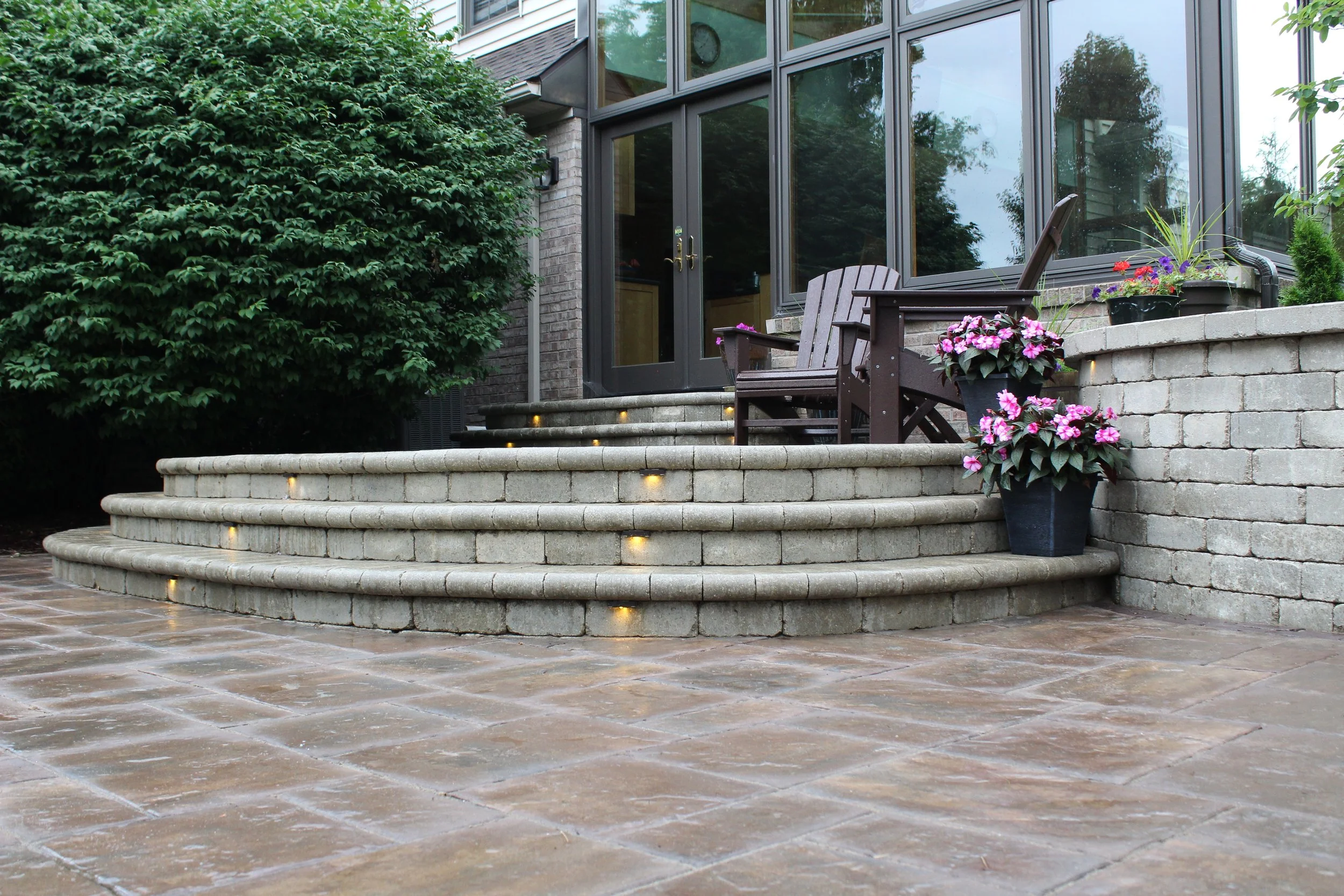
A landscape looks like one property in daylight and another entirely after sunset. The right lighting turns a yard that disappears at dusk into a space that stays beautiful, safe, and usable well into the evening. Landscape lighting installation in Ann Arbor, MI, is how homeowners extend the life of their outdoor space past dark, adding drama to the design, safety to the walkways, and security to the home.
Good landscape lighting looks effortless, and that ease is the product of careful planning. Fixtures placed without a plan create glare, dark gaps, and a scattered look. A designed lighting system layers different techniques so the eye moves through the space, the paths stay lit, and the best features of the landscape stand out against the dark. The difference between the two is planning and professional installation.
Great Outdoors has designed and built landscapes across Southeast Michigan since 1983, and nearly forty years of full-service design-build work, along with Unilock Authorized Contractor status, shape how the team approaches lighting a property. That experience reads how a landscape is used after dark and plans the lighting to match, because a lighting system works only when it fits the space it illuminates.
The sections below explain what landscape lighting installation involves, the main lighting techniques, the benefits of a professional system, and why installation is a job for a professional.
Related: Why Low-Voltage Landscape Lighting & Retaining Wall in Chelsea, MI, Work Better Together
What Does Landscape Lighting Installation Involve?
Landscape lighting installation is the design and construction of a low-voltage lighting system across a property. The work runs deeper than placing a few fixtures, because a good system is planned, wired, and balanced to light the space the way it is used.
A Lighting Design and Plan
The work starts with a plan. A professional studies the landscape, the way the household uses the space after dark, and the features worth highlighting, then designs a lighting layout that balances function and effect. This plan decides where light goes, how bright each area is, and how the fixtures work together. A design prevents the glare and dark spots that come from placing lights at random.
Low-Voltage Systems and LED Fixtures
Most modern landscape lighting runs on low-voltage systems, which are safer to install near plantings and people and cost less to run. LED fixtures add long life, low energy use, and minimal maintenance while delivering the brightness and color the design calls for. Low-voltage LED systems give a designer the flexibility to place light exactly where it belongs and to shape the mood of each area.
Wiring, Transformers, and Placement
Behind the finished look sits the system that powers it. A transformer steps the power down to low voltage, and buried wiring carries it to each fixture. Proper placement of the transformer, careful burial of the lines, and correct loading across the system are what keep the lighting reliable and safe. In Michigan, where the ground freezes and thaws, installing the wiring correctly protects the system through the seasons.
Balancing Function and Effect
A strong lighting system serves two goals at once: it makes the space safe and usable, and it makes the landscape beautiful after dark. Path lighting and step lighting keep people safe, while accent lighting turns trees, walls, and features into focal points. Balancing the practical and the dramatic is what makes a lighting system feel complete rather than merely bright.
Timers, Controls, and Automation
A modern lighting system runs on more than a switch. Timers, photocells, and smart controls turn the lights on at dusk and off on a schedule, so the system works without a homeowner thinking about it. Zones let different areas run on different settings, so the path lighting stays on late while the accent lighting shuts off earlier. A professional installer sets up the controls to match how a household uses the property, giving the owner a system that manages itself and lands the right look every evening without manual effort.
What Are the Main Landscape Lighting Techniques?
Professional landscape lighting draws on a set of techniques, each one suited to a different feature or goal. Combining them is what gives a property depth and drama after dark.
Path and Walkway Lighting
Path lighting guides people safely along walkways, steps, and transitions between spaces. Low-lying fixtures cast a soft, even glow that marks the route without glare, so the walkway stays safe and inviting after dark. In a Michigan winter, when ice and early darkness make footing tricky, well-lit paths matter for safety as much as for looks.
Uplighting and Spotlighting
Uplighting places fixtures at the base of a tree, wall, or architectural feature and casts light upward to make it a focal point. Spotlighting draws attention to a specific feature, such as a specimen tree or a masonry wall. These techniques turn features that are beautiful in daylight into show-stoppers after dark, giving the landscape drama and dimension.
Downlighting and Moonlighting
Downlighting places fixtures high in a tree or on a structure and casts light downward, and moonlighting uses that effect to mimic natural light filtering through branches. The result is a soft, natural glow across a patio or lawn that feels like moonlight rather than artificial light. This technique creates ambiance and lights a broad area gently.
Silhouetting and Ambient Lighting
Silhouetting places light behind a feature to render it as a dark shape against a lit background, creating a dramatic effect. Ambient fixtures wash an area in soft, even light to set a mood for gathering and relaxing. Layering these effects with the more functional techniques gives a property a finished, resort-quality look after dark.
Lighting the Whole Property
Landscape lighting reaches beyond the backyard. The front entrance, the walkways, the driveway, the trees, and any masonry or water features all read differently after dark with the right light. A system planned for the whole property carries a consistent look from the street through to the backyard, so the home presents well from every angle at night. Lighting the full property, rather than a single patio, gives a home a finished nighttime presence and extends the safety and beauty of the design across the entire landscape.
Highlighting Water and Masonry Features
Some features earn their own light. Water features come alive when lit, with the light catching the movement of the water after dark, and masonry walls, pillars, and outdoor fireplaces gain depth and texture under the right fixtures. Lighting these vertical and moving elements turns them into focal points that anchor the nighttime landscape. A designer identifies the features worth highlighting and places the fixtures to render them dramatically, so the best parts of the landscape stay center stage after the sun goes down.
What Are the Benefits of Professional Landscape Lighting?
A well-designed lighting system pays back in more than appearance. It reaches into the safety, security, and everyday use of a property.
Safety and Visibility
Lighting makes an outdoor space safe to move through after dark. Illuminated walkways, steps, and transitions prevent trips and falls, and lit entrances make arriving and leaving the home easier and safer. In a climate with long, dark winters, that visibility is a practical benefit homeowners rely on every evening.
Security and Peace of Mind
A well-lit property deters intruders and removes the dark corners where trouble hides. Lighting around entrances, along the perimeter, and across the yard makes a home less inviting to anyone up to no good, and it gives homeowners peace of mind. A lit home reads as an occupied, cared-for home.
Extended Use of the Outdoor Space
Lighting extends the hours a family gets from its outdoor space. A patio, an outdoor kitchen, a pergola, or a fire feature stays usable long after sunset when the lighting supports it. For homeowners who invest in an outdoor living space, lighting is what lets them enjoy it in the evening rather than only during daylight.
Curb Appeal and Property Value
Lighting transforms curb appeal after dark, highlighting the architecture and the landscape and giving the home a striking presence at night. That nighttime beauty adds to the value of the property and sets it apart on the street. A designed lighting system is one of the highest-impact upgrades a landscape receives.
Color Temperature and Getting the Look Right
The color of the light shapes the whole effect, and getting it right takes an experienced eye. Warm light flatters plantings and masonry and creates an inviting mood, while cooler light reads harsh on a home landscape. Consistent color temperature across the fixtures keeps the system looking intentional rather than mismatched. A professional selects fixtures and bulbs with the right color and beam spread for each use, so the finished system feels cohesive and natural instead of the patchwork that off-the-shelf lighting often produces.
Energy Efficiency and Running Costs
A modern LED lighting system costs little to run. LED fixtures draw a fraction of the power older lighting used, so a full landscape lighting system adds only a modest amount to an energy bill even when it runs every night. The low draw also lets a designer place more fixtures without overloading the system. For a homeowner weighing the ongoing cost, an efficient LED system delivers dramatic nighttime results at an operating cost that stays easy to live with year-round.

Why Hire a Professional for Landscape Lighting Installation?
Store-bought kits and do-it-yourself lighting rarely deliver the effect or the reliability of a professional system. The difference shows in the design, the equipment, and the installation.
Design Expertise
The effect of landscape lighting depends on where the light goes and how the techniques combine. A professional brings the trained eye to balance function and drama, avoid glare, and light the features that matter. That design skill is what separates a polished, cohesive system from a scattered set of fixtures. Great Outdoors brings the expertise to plan a lighting layout that fits the property and the way it is used.
Quality Equipment and Materials
Professional systems use commercial-grade fixtures, transformers, and wiring built to last outdoors, rather than the low-cost components in a retail kit. Quality LED fixtures hold their brightness and color for years and stand up to Michigan weather. A professional installer specifies and installs equipment rated for the job, so the system performs and lasts.
Proper and Safe Installation
Landscape lighting involves electrical work, buried wiring, and correct loading across the system. A professional installs the transformer, buries the lines, and balances the system safely and to code, so the lighting works reliably and poses no hazard. A poorly wired system fails, flickers, or creates risk. Professional installation removes that worry.
Long-Term Reliability and Support
A professional system comes with the backing to keep it running. An installer who stands behind the work handles adjustments, replacements, and seasonal needs, so the lighting keeps performing year after year. That support protects the investment and keeps the property looking its best after dark for the long run.
Maintenance Through the Seasons
A landscape lighting system performs best with seasonal attention. Fixtures need occasional cleaning, plantings grow and start to block the light, and Michigan winters test connections and fixtures. A company that maintains the system keeps the fixtures aimed correctly, replaces components as needed, and adjusts the lighting as the landscape matures. That ongoing care keeps the system looking the way it did on the first night, and it protects the investment against the wear an untended system slowly accumulates over the years.
What Does the Landscape Lighting Installation Process Look Like?
A professional landscape lighting project follows a clear path, and knowing it prepares a homeowner for the work and shows where quality gets built in. At Great Outdoors, the process runs from design through installation under one team.
Consultation and Design
The process opens with a conversation and a look at the property after dark. The team learns how the household uses the space, identifies the features worth highlighting, and studies the walkways and gathering areas. From that, the team designs a lighting layout that balances safety, function, and effect across the property.
Fixture Selection and Layout
From there the team selects the fixtures and finalizes their placement. The choice of fixtures and the layout decide how each area reads after dark, and planning them together produces a cohesive system rather than a patchwork. A homeowner sees the plan before installation begins.
Installation and Wiring
With the design set, the crew installs the system: placing the fixtures, burying the wiring, setting the transformer, and balancing the load. Each step follows the standards that keep the system safe, reliable, and ready for Michigan weather. Careful installation is what turns a lighting plan into a system that performs.
Adjustment and Ongoing Support
The project closes with a nighttime walkthrough to fine-tune the aim and brightness of each fixture, because lighting is judged after dark. A company that stands behind the work supports the system as the landscape grows and the seasons change. The result is a property that looks its best long after sunset.
Adding Lighting to an Existing Landscape
Landscape lighting does not require a full landscape renovation. A lighting system installs onto an established property, working with the existing plantings, hardscape, and features to bring them to life after dark. A professional designs the system around what is already there, placing fixtures to highlight mature trees, existing walls, and finished patios. For homeowners who already have a landscape they love, lighting is one of the most effective ways to give it a second life in the evening without rebuilding a thing.
Light Up Your Property With Great Outdoors
Landscape lighting is a long-term investment in the safety, security, and beauty of a property, and the team behind it decides whether that investment delivers. The right company designs the lighting around how a space is used, installs a quality low-voltage system safely and to code, and supports it as the landscape matures, so the property stays striking and usable after dark.
Homeowners across Ann Arbor and Southeast Michigan trust Great Outdoors to design and install landscape lighting that transforms a property after sunset. As a full-service design-build company since 1983 and a Unilock Authorized Contractor, the team brings the design eye and the technical skill that a lighting system demands.
Schedule a consultation with Great Outdoors today for landscape lighting installation in Ann Arbor, MI that brings your property to life after dark.
Related: 5 Reasons to Include Outdoor Lighting in Your Ann Arbor, MI, Area Garden Renovation